
A lot of people struggle with meal planning, grocery shopping, and executing the cooking, you are not alone. Along with everything else life throws at us, planning and properly feeding ourselves and our loved ones can be daunting and take a lot of work. I can throw all the meal ideas at you but without the proper techniques to help when you're planning what to eat, buy and cook, you may feel a bit overwhelmed.
Having a few simple steps that make your decision-making process a bit easier is the best way to overcome these struggles. I've collected all my favorite strategies for anyone looking for the easiest way to overcome their home cooking hurdles!
Home-cooked meals do not need to be hard or stressful, with a bit of planning and foresight you'll see how easy it can be! These steps are a great way to ensure you're ready for the next week and it really doesn't take much time at all. Recently I got an email from someone saying they love cooking for their family but are struggling to find the time to prepare the proper meals and struggle with planning. I want to show people how a little bit of extra time one day installing simple systems can make the whole process easier and less time-consuming.
What Do I Need in My Kitchen?
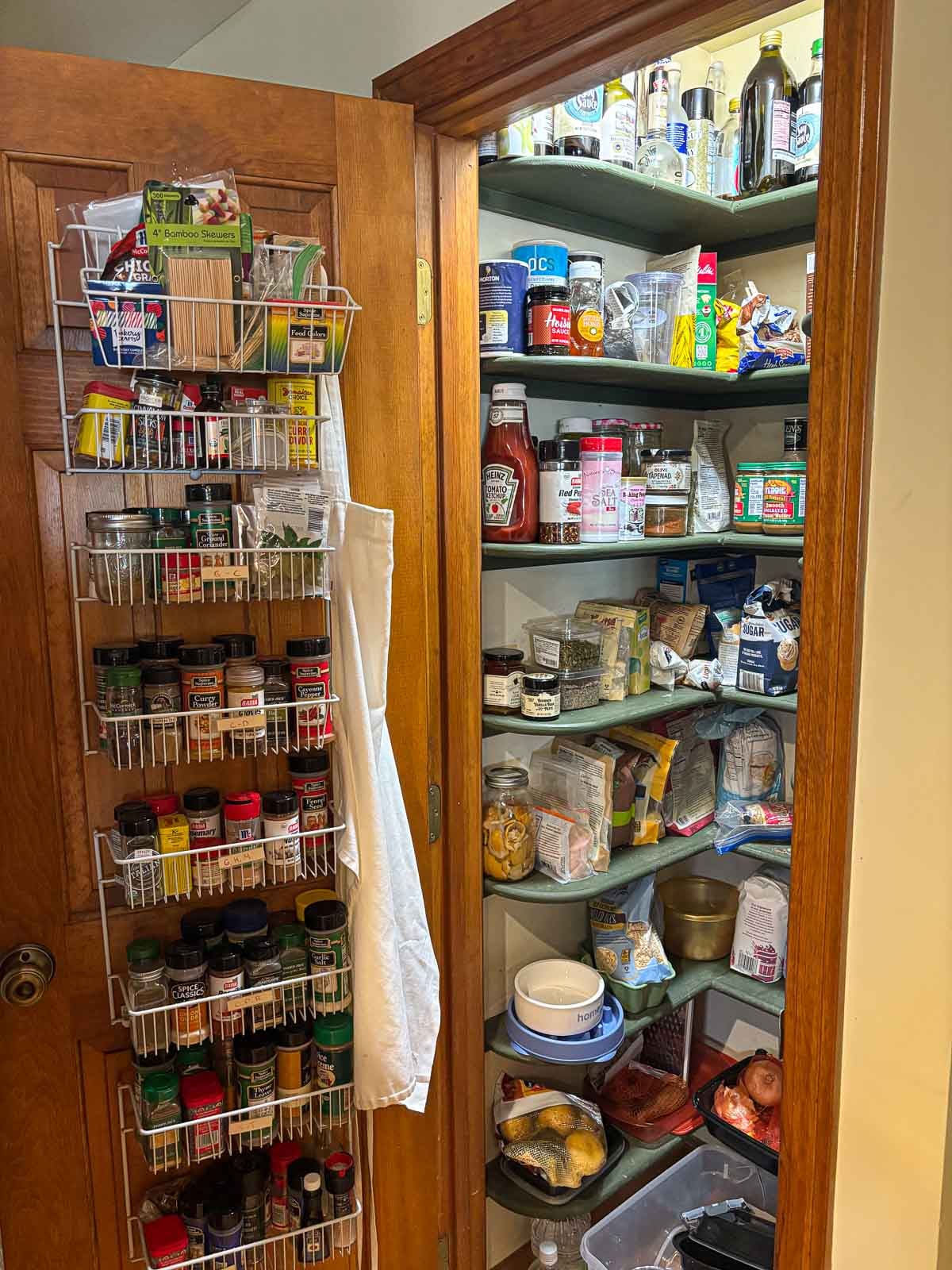
Everyone's kitchens look different. Whether it's culturally, financially or hatred for all things cooking, your pantry and cupboard setup will differ from your neighbors. I'm sharing my master list of pantry staples, kitchen utensils and appliances for anyone who may need some help in this area. I keep a wide array of dry goods because I'm in the kitchen a lot and I cook a decent array of cuisines.
Pantry Staples
This list may seem like a lot, I promise you probably already have most of it and if you don't it's a good idea to buy them. The great thing about spices and seasonings is they have a long shelf life so you don't have to buy them often.
Essential Spices
- Salt: Regular table salt and/or kosher salt.
- Black Pepper: Whole peppercorns for grinding or ground black pepper. I like having a grinder and buying large bags of peppercorns to refill!
- Paprika: Regular or smoked or both.
- Cayenne Pepper: Adds heat to dishes.
- Chili Powder: Great for chili, tacos, and other Southwestern dishes.
- Cumin: Ground cumin is essential for Mexican, Indian, and Middle Eastern cuisines.
- Coriander: Ground coriander seeds add a citrusy note.
- Turmeric: Key spice in many Indian dishes with anti-inflammatory properties.
- Cinnamon: Ground and/or sticks, used in sweet and savory dishes.
- Nutmeg: Whole or ground, used in baking and savory cooking.
- Ginger: Ground ginger for baking and Asian-inspired dishes.
- Garlic Powder: Convenient for adding garlic flavor when fresh garlic isn't available.
- Onion Powder: Adds depth to soups, stews, and sauces.
Essential Herbs (Dried)
- Oregano: Common in Italian, Greek, and Mexican cuisines.
- Basil: Great for Italian dishes, soups, and sauces.
- Thyme: Versatile herb for poultry, meats, and vegetables.
- Rosemary: Excellent with roasted meats and potatoes.
- Parsley: Adds freshness to a variety of dishes.
- Bay Leaves: Essential for soups, stews, and braises.
- Sage: Common in poultry dishes and stuffing.
Seasoning Blends
All of these blends can be made from the other spices and herbs above but it is nice to have them combined and ready to go. You could also make your own!
- Italian Seasoning: A mix of basil, oregano, rosemary, and thyme.
- Curry Powder: Blend of turmeric, cumin, coriander, and other spices.
- Chinese Five Spice: Blend of star anise, cloves, Chinese cinnamon, Sichuan peppercorns, and fennel seeds.
- Garam Masala: Indian spice blend including cinnamon, cloves, cardamom, cumin, and coriander.
- Taco Seasoning: Blend of chili powder, cumin, paprika, garlic powder, onion powder, and oregano.
How to Plan
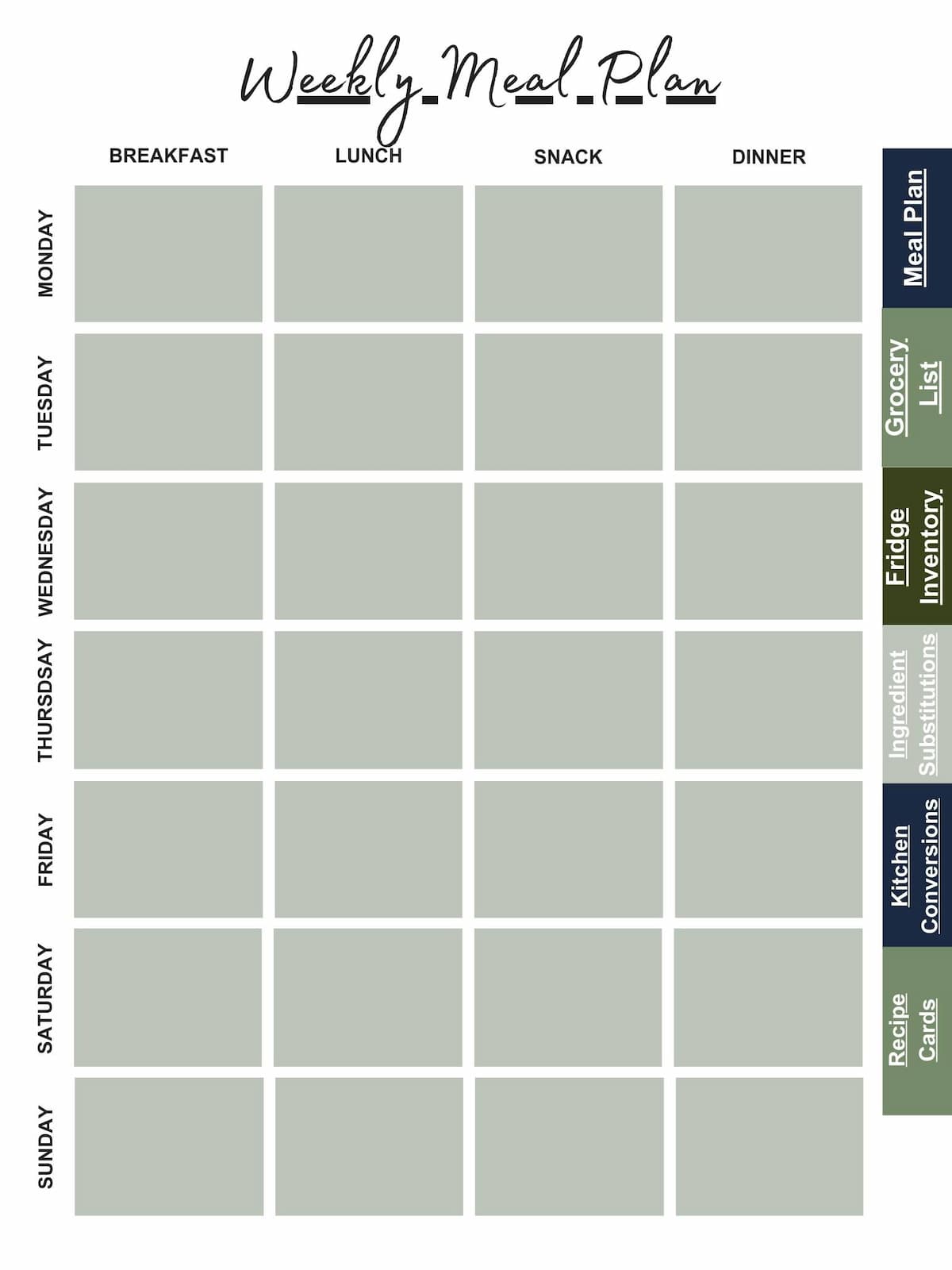
Planning your weekly meals is the first step to becoming a more confident home cook. As with everything in life it's a great idea to have a loose plan of what you want. Right about now you're probably saying, "What if I don't feel like eating what I planned?". I'm here to tell you it doesn't have to be an iron-clad plan but you can plan to make 5 easy recipes and move them around at your leisure.
Grab my meal planner template here!
Understand your needs
- These needs don't usually change, identifying them in this initial step will help you continuously plan out your meals.
- Identify dietary restrictions and preferences. Consider allergies, intolerances, and specific diets.
- I'm allergic to tree nuts so I avoid cooking with most nuts and any nut oils.
- Consider family references. Take into account what your family likes and dislikes.
- My husband has a thing against beans... so I tend to omit them when cooking our meals.
- Nutritional needs. Consider your and your family's nutritional needs.
- I aim for balanced meals with protein, fiber, carbohydrates, and healthy fats.
Create a meal plan
- Meal planning does not mean meal prepping. Meal prepping is when all the ingredients and food is prepped and cooked in one day. Now, you can do this if it works for you but there are ways to prepare yourself for the week ahead without cooking the food in one day.
- Choose a sustainable planning period. Decide whether to plan weekly or monthly based on your schedule. Planning monthly may seem daunting but it could work best for busy people! If you're planning weekly, it doesn't have to be on a day everyone else does it. If you work weekends, your planning day could be Tuesdays. Do what works for you.
- Balance your meals. Ensure a mix of proteins, carbs, and vegetables.
- Write a list out. I write a list of our 5-7 meals for the week out and stick it on the fridge. You can do this or put it in your phone or your family calendar. Remember, do what works for you!
- Plan for leftovers. Integrate leftovers into your meal plan to reduce food waste. Most of the recipes here on Real Food with Sarah are made for 4 people. Since I'm only typically cooking for 2 people, we eat the leftovers for lunch the next day.
- Incorporate theme nights. Themed meals like Taco Tuesday or Pizza Fridays are a fun way to menu plan. This is great for kids, or us adults who love a theme!
Sarah's Top Tips
- Start simple. Begin with easy and familiar recipes and once you've gained some confidence, try more complex recipes.
- Write things down. Use a calendar, shared note, or sticky note on the fridge!
- Batch cook sauces and soups. When making pasta sauces and soups. Make a big batch! Store in the freezer in a freezer-safe container and label with the cook date.
- Save recipes you love. When you come across a recipe that you love, save it, print it and add it to your own little book of recipes!
- Use the notes app. Use the notes app and 'list' function on the app for easy-to-check-off items.
- Involve the family. This may be something you're taking on alone but maybe other members want input and it's something you can do together.
- Stay flexible or don't. You can be as flexible or stern as you want. I'm a firm believer in doing what works for you!
- Create a master list. Keep a base shopping list with your staple ingredients you use over and over. This will help you take stock of what you have before shopping and compiling your grocery list.
- Shop seasonally. Choose produce that's in season for fresher and better flavor.
- Try new things. Once you've gained a bit of confidence in the kitchen, explore new cuisines, ingredients and recipes.